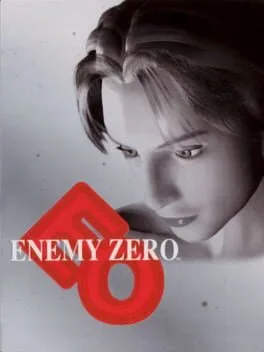
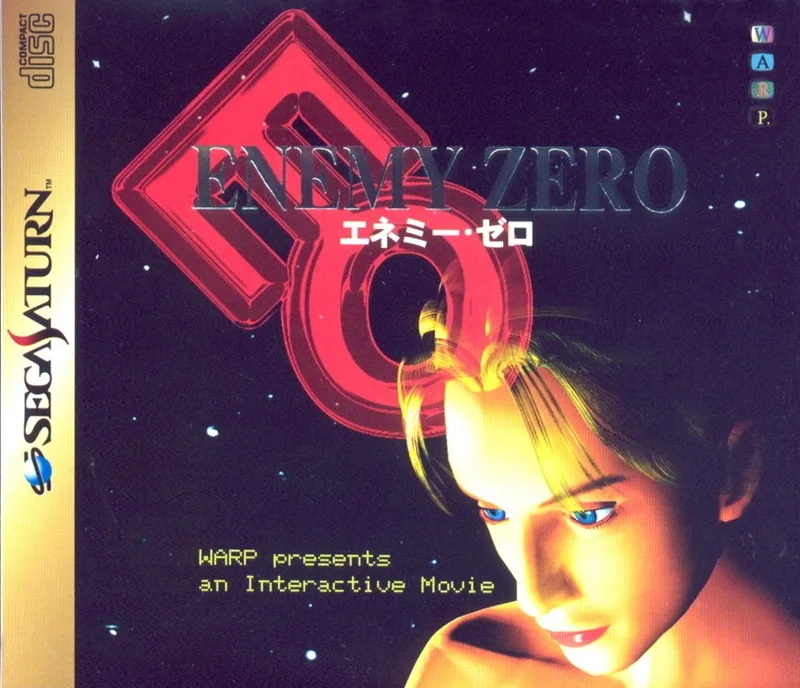
Enemy Zero
PC · 1996
About this game
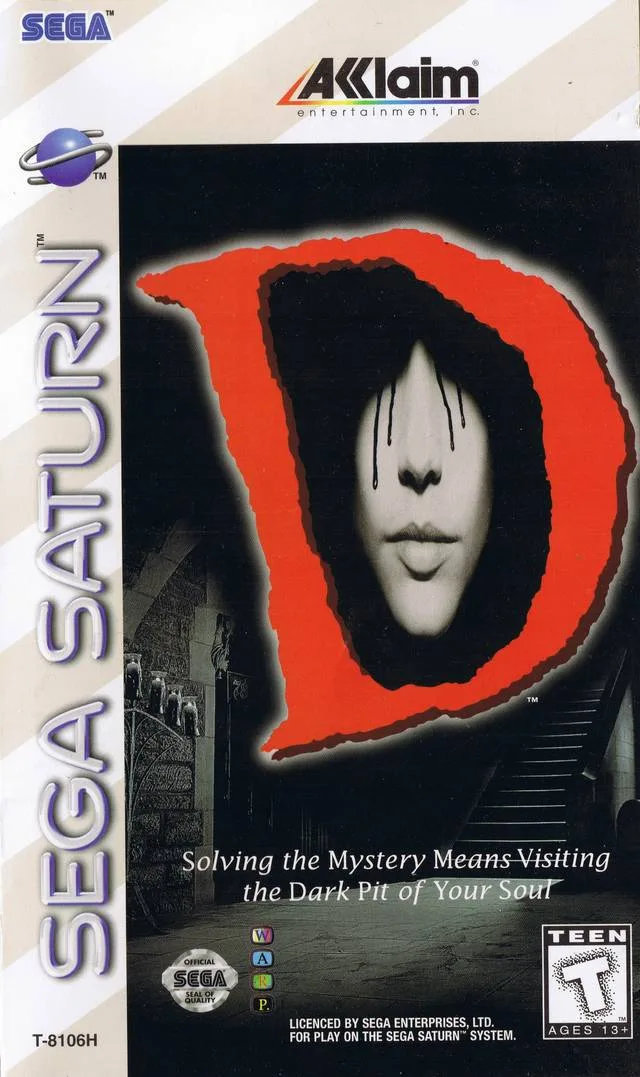
Enemy Zero was the second game to star the digital character Laura Lewis—the first being D.
In E0, gameplay sequences alternate between interactive FMV and real time exploration, both from a first person perspective.
↓ Read more
The interactive FMV component uses gameplay identical to an earlier Warp game, D.
The real time component of E0 is unique.
Enemies are invisible, and location is only possible through the use of sound, with notes of different pitch helping the player find the distance and direction of enemies.
Additionally, every gun in the game must be charged up immediately before each shot, and charging a shot for too long will cause the charge to dissipate, after which the charging must start over.
Since all available guns have very limited range, this makes timing crucial; beginning to charge the gun too late or too soon will allow the enemy to reach Laura, resulting in an immediate game over.
In Enemy Zero, reloading the gun and moving the character around are mechanics that have been made intentionally slow,[4] which stimulates players to avoid combat and direct contact with the alien enemies as much as possible.
In the early segments of the game, avoiding detection is not only recommended; it is required, since the player has no means to defend him or herself without a gun.
Enemy Zero is an example of a game containing stealth elements[5] roughly two years before the release of Metal Gear Solid popularized the genre worldwide, though ten years after Metal Gear started the genre in 1987.
About PC
PC gaming spans over four decades, from early DOS titles to today's massive Steam and digital-storefront libraries. Because "PC" covers everything from 1990s CD-ROM releases to current AAA titles, it's the single largest platform by game count on Gamevaro. For collectors, PC gaming splits into two very different worlds: physical big-box releases from the 1990s and 2000s (increasingly collectible, especially complete-in-box with original manuals and inserts) and the modern digital library, which Gamevaro tracks for portfolio and spending purposes even though it has no resale market.
Gamevaro tracks Enemy Zero for PC with separate market values for loose, complete-in-box (CIB) and factory-sealed copies, sourced from real eBay sales. Prices also vary by region — PAL, NTSC-U and NTSC-J releases of the same game often sell for different amounts due to print run sizes and regional collector demand.
Adding Enemy Zero to a Gamevaro collection takes seconds — search by title or scan the box barcode, and the app fills in cover art, release details and current pricing automatically. This PC release dates back to 1996.
Market values by condition
No price data available yet.
Rarity & condition
No market sales have been tracked yet for Enemy Zero — this could mean it rarely changes hands, or simply that Gamevaro hasn't recorded a sale for it yet. Be the first to add it to your collection.
Condition matters a lot for collector value: loose (cartridge/disc only), complete-in-box (CIB, with original packaging and manual) and factory-sealed copies are tracked separately because the price gap between them can be significant, especially for older releases.
Frequently asked questions
How much is Enemy Zero worth?
Gamevaro hasn't tracked a market sale for Enemy Zero (PC) yet, so no current value is available. Prices are sourced from real marketplace sales, and this page will update automatically once sales data comes in.
Is Enemy Zero rare?
No market sales have been tracked yet for Enemy Zero, which could mean it rarely changes hands or that Gamevaro simply hasn't recorded a sale for it yet.
What's the difference between loose, CIB and sealed for Enemy Zero?
Loose means cartridge or disc only, CIB (complete in box) includes the original box and manual, and sealed means factory-sealed and never opened. These are tracked as separate market values because the price gap between them can be significant, especially for older releases.
Ratings & Reviews
Also on other platforms


More PC games