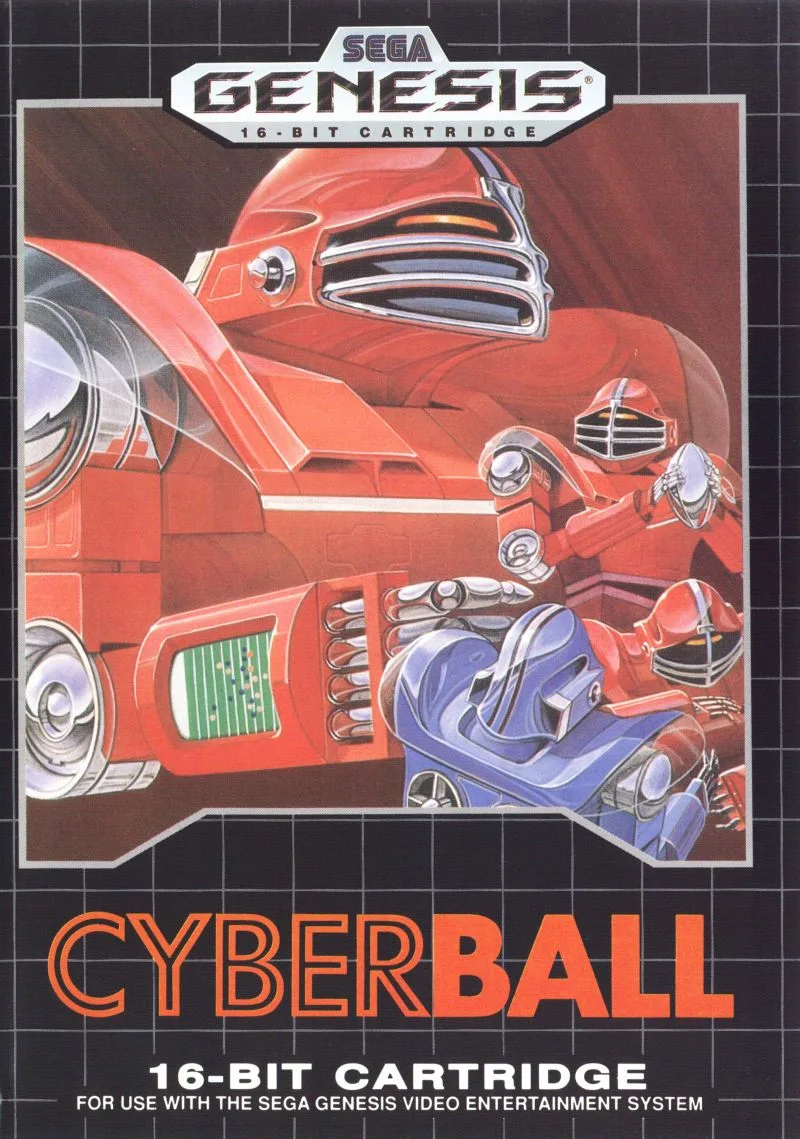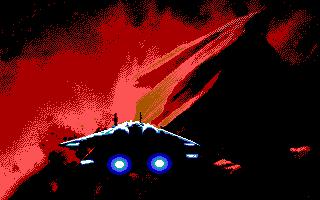
Menace
Sega Genesis · 1988
About this game
The CIA has learned that gigantic mutants are wreaking havoc in Metro City and their sources say that the destruction is caused by a scientist calling himself Dr.
For this reason, they send Snake Logan, the CIA's top secret agent, on a dangerous mission: fly over Metro City, investigate what’s going on, then report back to the captain.
↓ Read more
Unfortunately, Snake’s plane is shot down, forcing Snake to walk the streets and kill mutants.
There are three episodes in this game: In “Dr.
Mangle's Lab” and “The Hidden Lab”, Snake must destroy two labs and Dr.
Just before he dies, Mangle tells him that he is forced by somebody known as Master Cain to do his bidding, or he would be killed, so in “Master Cain”, Snake sets out and destroy the creator himself.
All three episodes use the Commander Keen engine, which id Software used.
It has a similar score box located at the top-left of the action screen, same menu system, same on-line help, and the same start-up screen where the game detects your sound card, video card, I/O devices, and the amount of memory you have.
It even allows you to view the old status screen if you press [Space] during gameplay.
But the only differences are that Snake has eight units of health, so each time Snake collides with a mutant, he doesn’t get killed straight away unless he had one unit left.
There are 12 levels in each episode.
When you start a new game, as well as choosing the three difficulty modes, you get to practice every level except the very last one, which is the episode’s final boss.
Snake can use more than one weapon.
For example, beside his trusty machine gun, he can also use lasers to fire through mutants, place land mines on the ground or throw grenades to blow them up.
Snake has to make his way through each level by blasting mutants while finding the exit.
But to find it, he must first free a hostage located on each level.
Some parts of each level are blocked off by a laser gate, and these include passages where th
About Sega Genesis
Known as the Mega Drive outside North America, the Sega Genesis (1988/1989) was Sega's most successful console and Sonic the Hedgehog's original home, fueling the "console wars" era against Nintendo's SNES. Genesis cartridge collecting is well-established: common sports and platformer titles are affordable, while sports-license and later-era games with smaller print runs can carry a meaningful premium.
Gamevaro tracks Menace for Sega Genesis with separate market values for loose, complete-in-box (CIB) and factory-sealed copies, sourced from real eBay sales. Prices also vary by region — PAL, NTSC-U and NTSC-J releases of the same game often sell for different amounts due to print run sizes and regional collector demand.
Adding Menace to a Gamevaro collection takes seconds — search by title or scan the box barcode, and the app fills in cover art, release details and current pricing automatically. This GEN release dates back to 1988.
Market values by condition
No price data available yet.
Rarity & condition
No market sales have been tracked yet for Menace — this could mean it rarely changes hands, or simply that Gamevaro hasn't recorded a sale for it yet. Be the first to add it to your collection.
Complete-in-box (CIB) copies typically command a premium over loose cartridges/discs because the original box and manual are more fragile and get discarded or damaged over time — fewer complete sets survive.
Frequently asked questions
How much is Menace worth?
Gamevaro hasn't tracked a market sale for Menace (Sega Genesis) yet, so no current value is available. Prices are sourced from real marketplace sales, and this page will update automatically once sales data comes in.
Is Menace rare?
No market sales have been tracked yet for Menace, which could mean it rarely changes hands or that Gamevaro simply hasn't recorded a sale for it yet.
What's the difference between loose, CIB and sealed for Menace?
Loose means cartridge or disc only, CIB (complete in box) includes the original box and manual, and sealed means factory-sealed and never opened. These are tracked as separate market values because the price gap between them can be significant, especially for older releases.
Ratings & Reviews
Also on other platforms

More Sega Genesis games